Plant-based protein and vegetable processing systems
De wereldwijde vraag naar alternatieve eiwitten stimuleert investeringen in geavanceerde systemen voor het verwerken van groenten om plantaardige eiwitten te winnen, isoleren en zuiveren. Moderne systemen maken efficiënte eiwitscheiding mogelijk, verlagen energie- en waterverbruik en leveren hoge zuiverheid, kwaliteit en opbrengst. Alfa Laval-oplossingen garanderen betrouwbare productie, betere textuur en superieure voedingswaarde bij grootschalige plantaardige eiwitproductie.
Verbeteren van opbrengst en kwaliteit bij de productie van plantaardige eiwitten
- Volledige benutting van grondstof.
- Hoge hygiënestandaarden.
- Hoge zuiverheid, hoge kwaliteit en hoge opbrengst.
- Verminderd energie- en waterverbruik.
- Verminderd zoetwaterverbruik en milieu-impact.
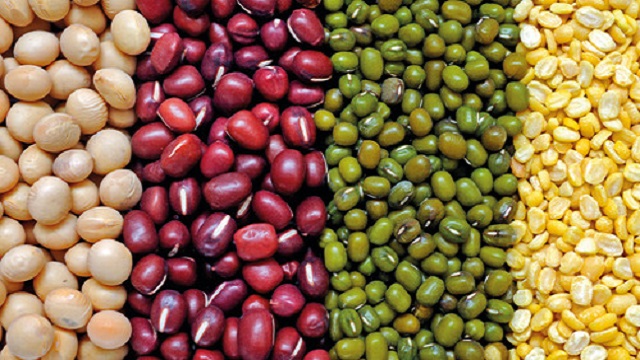
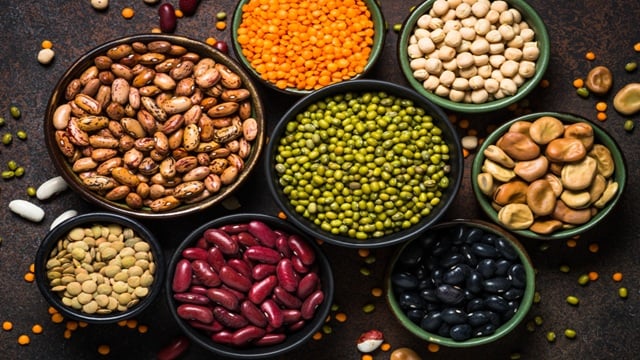
Het omzetten van oliehoudende gewassen (sojaboon, koolzaad, zonnebloem) en zetmeelgewassen (erwt, kikkererwt, tuinboon, mungboon) in hoogwaardige voedingsproteïnen vereist een robuust, hoogdoorvoersysteem voor eiwitverwerking. Geoptimaliseerde plantaardige verwerkingssystemen verbeteren de zuiverheid, textuur en voedingswaarde, terwijl ze efficiënt gebruik van middelen waarborgen.
Alfa Laval levert complete, energiezuinige systemen voor de verwerking van plantaardige eiwitten die dekt: extractie, isolatie, zuivering, bijproductterugwinning, hergebruik van proceswater en afvalwaterbehandeling – om te voldoen aan de wereldwijde vraag naar eiwitrijke alternatieven voor vlees.
Voedsel- en drankenproducenten vertrouwen op de expertise van Alfa Laval om systemen voor de verwerking van plantaardige eiwitten te ontwerpen, testen en opschalen van pilot- tot commerciële productie.
Breed portfolio aan groenteverwerkende systemen voor plantaardige-eiwitten
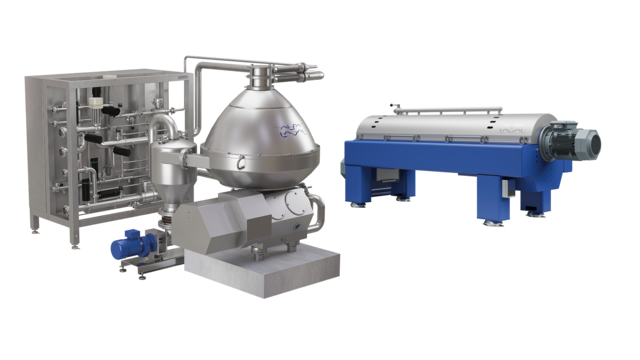
Alfa Laval biedt een uitgebreid assortiment groenteverwerkende systemen voor plantaardige eiwitten, met focus op natte fractionering voor extractie, isolatie, zuivering en nevenproductterugwinning. Of u nu een betrouwbaar stand-alone eiwitsysteem of een complete productielijn nodig heeft, wij ondersteunen de productie van eiwitten uit oliehoudende en zetmeelrijke gewassen met modulaire, op maat gemaakte oplossingen, inclusief:
- Slurrypreparatie
- Eiwitextractie, -scheiding en -zuivering
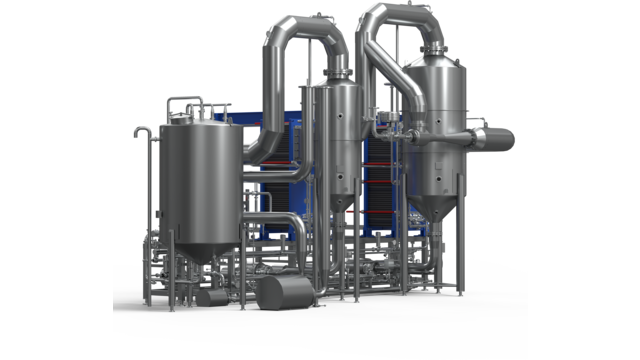
- Pasteurisatiesystemen
- Vezel- en zetmeelscheiding en -zuivering
- Terugwinning van bijproducten
- Afvalwaterbehandeling en waterterugwinning
Alfa Laval oliehoudende zaden verwerkende systemen
-
Solubilisatie. De eerste stap is het mengen van een loogoplossing met witte vlokken van oliehoudende zaden, waardoor de pH-waarde van de resulterende slurry wordt verhoogd om het eiwit oplosbaar te maken.
-
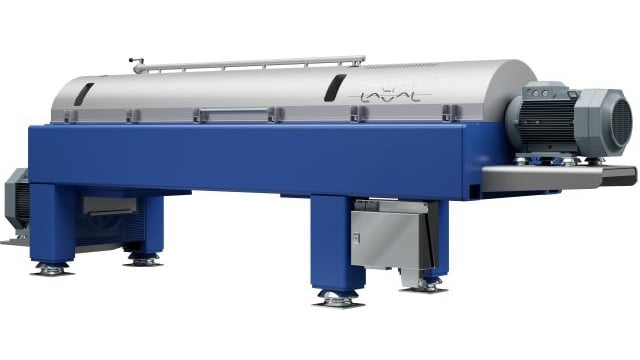
Eiwit extractie. Vervolgens wordt de slurry verwerkt in een extractiedecanter om het opgeloste eiwit van de vaste stoffen (vezels) te scheiden.
-
Tweede extractie. De vaste cake wordt vervolgens gewassen met water om extra eiwit vrij te maken dat niet tijdens de initiële solubilisatie is geëxtraheerd.Een tweede extractiedecanter scheidt vervolgens de resulterende slurry in de vaste stoffen (vezels) en vloeistof. De vaste stoffen uit deze stap kunnen naar een droger of naar een biogasinstallatie worden gestuurd.
-
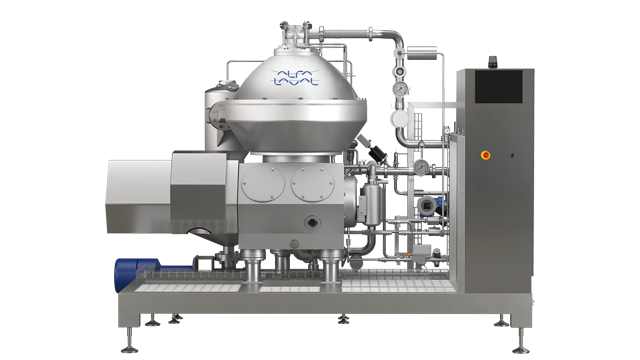
Eiwit precipitatie. De vloeistof die uit beide extractiestappen is verzameld, wordt verwerkt om de pH-waarde te verlagen naar het iso-elektrisch punt van het eiwit, waardoor het eiwit neerslaat. De neergeslagen eiwitslurry wordt vervolgens toegevoerd aan een eiwitdecanter, die het neerslag scheidt van de vloeistof.
-
Eiwit wassen. In de laatste stap wordt het eiwit gewassen met water om de zuiverheid te verhogen. Dit resulteert in een eiwitproduct met hogere zuiverheid en betere organoleptische eigenschappen. Sla deze stap echter over als een eiwitproduct met hoge zuiverheid niet vereist is.
Alfa Laval zetmeelgewassen verwerkingssystemen
-
Oplossen. De eerste stap is het mengen van een loogoplossing met bloem om het eiwit oplosbaar te maken door de pH-waarde van de resulterende slurry te verhogen.
-
Eiwitextractie. Vervolgens wordt de slurry verwerkt in een extractiedecanter om het opgeloste eiwit te scheiden van de vaste stoffen, bestaande uit zetmeel en vezels.
-
Vezelverwijdering. Rotatieschermen filteren de vaste stoffen en verwijderen vezels uit het zetmeel. Natte vezels kunnen vervolgens naar een andere decanter worden gestuurd voor verdere ontwatering vóór het drogen, of ze kunnen worden gebruikt voor biogas of bio-ethanolproductie.
-
Concentratie en zetmeelwassen. De verdunde zetmeelmelk wordt geconcentreerd en overgebracht naar een hydrocycloon zetmeelwasinstallatie. Wassen verfijnt de zetmeelmelk, die vervolgens kan worden gedroogd tot zetmeelpoeder of gebruikt voor bio-ethanolproductie of siroopproductie.
-
Eiwitprecipitatie. De vloeistof die is verzameld tijdens de extractiestap (2) wordt verwerkt om de pH te verlagen tot het iso-elektrisch punt van het eiwit, waardoor het eiwit uit de vloeistof neerslaat. De geprecipiteerde eiwitslurry gaat vervolgens naar een eiwitdecanter, die het neergeslagen eiwit van de vloeistof scheidt.
-
Eiwitwassen. In de laatste stap wordt het eiwit gewassen met water om de zuiverheid te verhogen. Dit resulteert in een eiwitproduct met hogere zuiverheid en betere organoleptische eigenschappen. Deze stap kan echter worden overgeslagen als een eiwitproduct van hoge zuiverheid niet vereist is.
Optimaliseren van plantaardige eiwitverwerkingssystemen
Maak gebruik van Alfa Laval’s expertise in het ontwerpen van installaties voor de fractionering van landbouwproducten. Test uw grondstoffen onder werkelijke bedrijfsomstandigheden bij het Alfa Laval Food & Water Test Centre in Denemarken om het optimale systeem voor uw verwerkingsbehoeften te bepalen.